
Understanding your body composition plays a key role in managing long-term health. Many people rely on weight alone, but weight does not tell the full story. That’s where tools like the BAI and BMI Calculator come in.
These calculators help estimate body fat levels and overall health risk using simple measurements. They are easy to use, quick to understand, and widely accepted by health organizations. When used correctly, they offer valuable insight into fitness progress, obesity risk, and lifestyle planning.
Let’s break everything down clearly-no guesswork, no fake claims, just real, trusted information.
What Is BMI (Body Mass Index)?
Body Mass Index (BMI) is a screening tool that estimates whether a person has a healthy body weight for their height. Doctors, hospitals, and public health organizations use it worldwide.
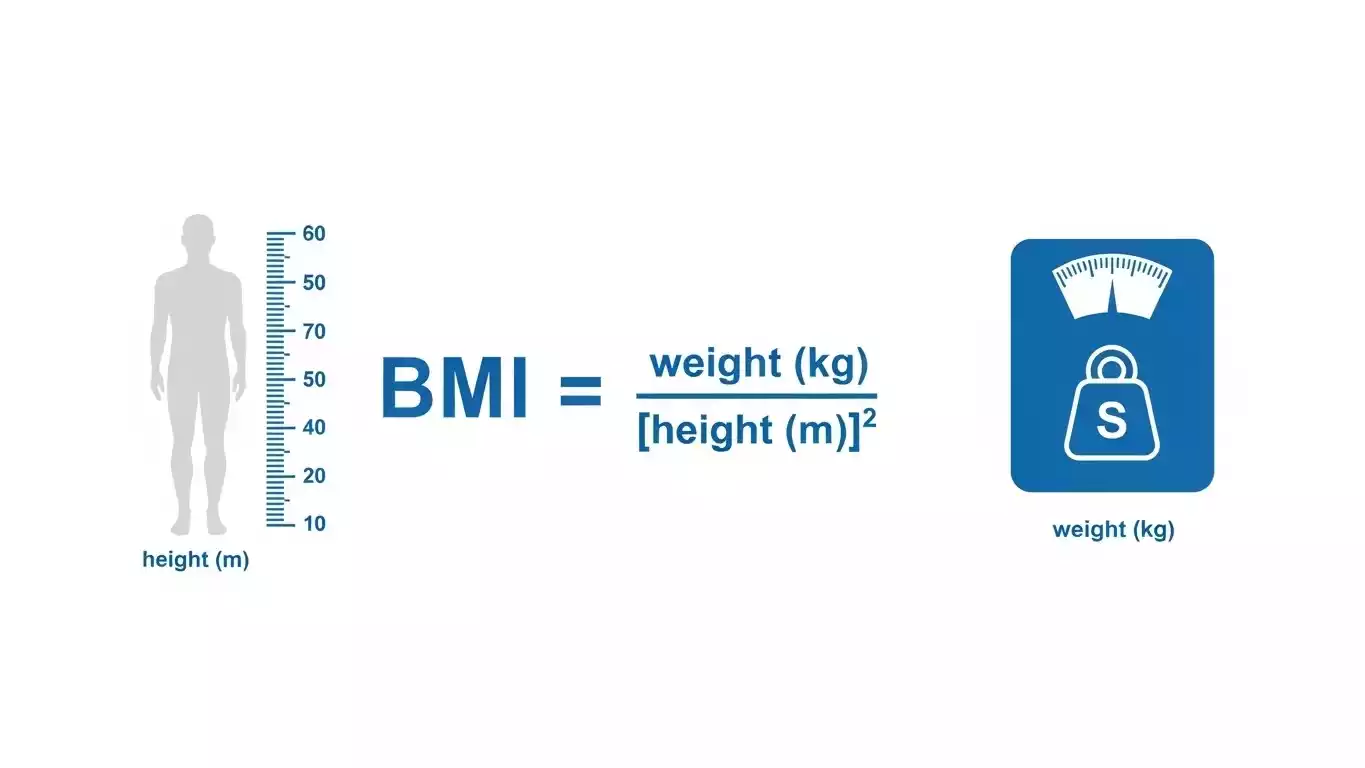
BMI uses this simple formula:
BMI = weight (kg) ÷ height² (m²)
Health authorities like the Centers for Disease Control and Prevention (CDC) and the World Health Organization (WHO) classify BMI into categories:
- Underweight
- Normal weight
- Overweight
- Obese
BMI does not measure body fat directly. Instead, it helps identify weight-related health risks at a population and individual level.
Why BMI Still Matters
BMI remains popular because it is:
- Easy to calculate
- Cost-effective
- Backed by decades of research
- Strongly linked with disease risk
According to the CDC, higher BMI values correlate with increased risk of heart disease, type 2 diabetes, and hypertension.
BMI is not perfect-but it is useful.
What Is BAI (Body Adiposity Index)?
Body Adiposity Index (BAI) estimates body fat percentage without using body weight. Instead, it relies on hip circumference and height.
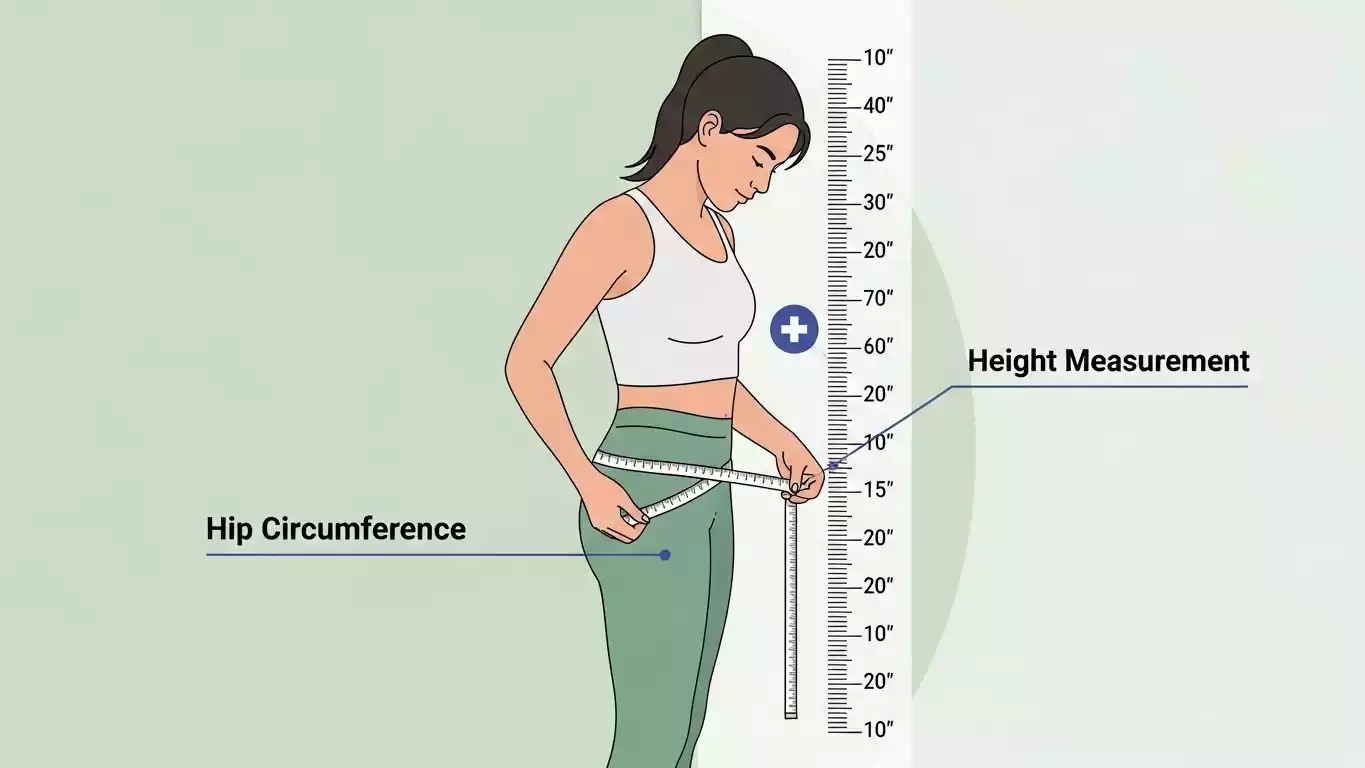
The formula is:
BAI = (hip circumference ÷ height¹·⁵) − 18
Researchers developed BAI to address some limitations of BMI, especially in individuals with higher muscle mass.
Why BAI Is Different
BAI focuses on fat distribution, not weight. That makes it helpful for people who:
- Build muscle easily
- Have normal weight but high fat percentage
- Want an estimate closer to body fat levels
The National Institutes of Health (NIH) has discussed BAI as an alternative metric, though it does not replace BMI in clinical settings.
Think of BAI as a complementary tool-not a replacement.
BAI vs BMI: Key Differences Explained
| Feature | BMI | BAI |
|---|---|---|
| Uses body weight | Yes | No |
| Uses hip measurement | No | Yes |
| Estimates body fat | Indirect | More direct |
| Medical adoption | Very high | Limited |
| Best for population studies | Yes | No |
Which One Is More Accurate?
Neither metric is “perfect.” Each serves a different purpose.
- BMI works best for large-scale health screening
- BAI may offer better insight into fat percentage for certain individuals
Using both together gives a clearer picture.
How a BAI and BMI Calculator Works
A BAI and BMI Calculator combines both methods in one tool. It typically asks for:
- Height
- Weight (for BMI)
- Hip circumference (for BAI)
- Gender and age (optional, for context)
The calculator then:
- Computes BMI and assigns a category
- Estimates body fat using BAI
- Displays easy-to-understand results
No medical equipment. No complex steps. Just data you already have.
Why You Should Use a BAI and BMI Calculator
Let’s be honest-most people want fast answers.
This calculator helps you:
- Track fitness progress over time
- Understand obesity-related risk
- Set realistic health goals
- Avoid relying on weight alone
Doctors and fitness professionals often use these metrics as starting points, not final diagnoses.
And yes-your mirror still matters too.
Limitations You Should Know About
Transparency builds trust, so let’s talk limits.
BMI Limitations
- Overestimates fat in muscular people
- Underestimates fat in older adults
- Does not show fat distribution
BAI Limitations
- Less validated across all ethnic groups
- Hip measurements can vary
- Not widely used in clinics
According to the WHO, these tools should support, not replace, medical evaluation.
Who Should Use These Calculators?
A BAI and BMI Calculator suits:
- Adults tracking weight or fat changes
- Fitness beginners
- Health-conscious users
- Content creators and educators
It does not replace:
- Clinical body fat scans
- Medical diagnosis
- Personalized nutrition advice
Use it smartly.
How Often Should You Check BMI and BAI?
Checking daily makes no sense. Your body doesn’t change overnight.
A practical schedule:
- Every 2-4 weeks during fitness plans
- Every 2-3 months for general monitoring
Consistency matters more than frequency.
What Health Organizations Say
Trusted health authorities continue to support BMI use:
- CDC uses BMI for obesity classification
- WHO applies BMI globally for risk assessment
- NIH recognizes BAI as a research-based alternative
No organization claims these tools are flawless-but all agree they offer valuable insight when used correctly.
Improving Health Beyond the Numbers
Numbers guide decisions. Habits create results.

Focus on:
- Balanced nutrition
- Regular physical activity
- Quality sleep
- Stress management
BMI and BAI track trends-not discipline.
FAQs About BAI and BMI Calculator
Is BMI outdated in 2026?
No. The CDC and WHO still use BMI for screening and research. Experts recommend combining it with other measures.
Is BAI more accurate than BMI?
Sometimes. BAI may estimate body fat better for certain individuals, but it lacks widespread clinical adoption.
Can BMI be wrong?
Yes. Athletes and muscular individuals often get misleading BMI results.
Does BAI work for everyone?
Not equally. Research shows variations across ethnic groups and body types.
Should I trust online calculators?
Trust calculators that:
- Explain formulas
- Use standard classifications
- Avoid medical claims
Transparency matters.
Can these calculators diagnose obesity?
No. They only estimate risk. Medical diagnosis requires professional evaluation.
Is BMI different for men and women?
BMI uses the same scale for adults, but body fat distribution differs by gender.
Does age affect BMI accuracy?
Yes. Older adults may have higher fat percentage at the same BMI.
Can I use BMI for kids?
Only age and gender-specific BMI percentiles apply to children, according to the CDC.
Should I track BMI or BAI during weight loss?
Track both if possible. Trends matter more than single readings.
Final Thoughts: Use the Tool, Not the Tool Use You
A BAI and BMI Calculator offers clarity-not judgment.
It helps you understand where you stand today, not where you must be tomorrow. When you combine these metrics with healthy habits and common sense, they become powerful allies.
Numbers don’t define you-but they can guide you.
Use them wisely.
Trusted Sources Used
- Centers for Disease Control and Prevention (CDC)
- World Health Organization (WHO)
- National Institutes of Health (NIH)